

Meteorites
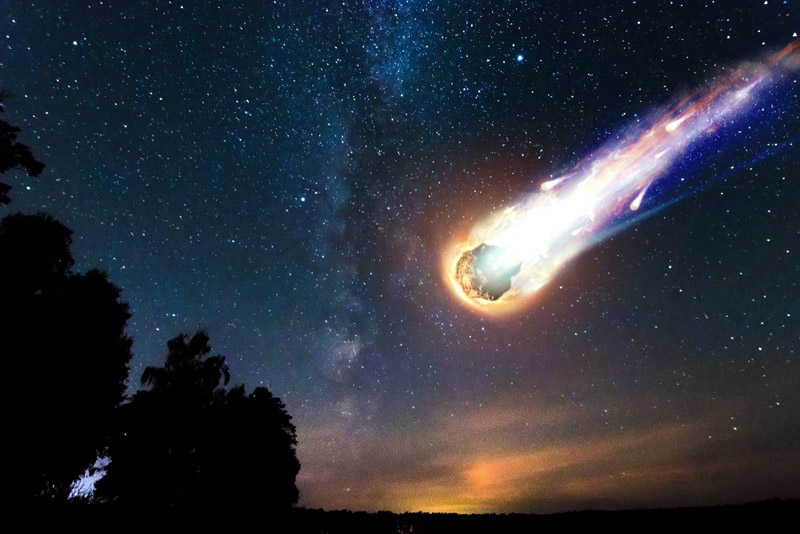
Every year, several hundred different meteorites fall to the Earth's surface. And only 5% of them will be found, the rest will either fall into the water or get lost on land. There are few of them, they are always exclusive and expensive. Especially considering the trends of recent years – the use of meteorites to create unique jewelry and collectible weapons.
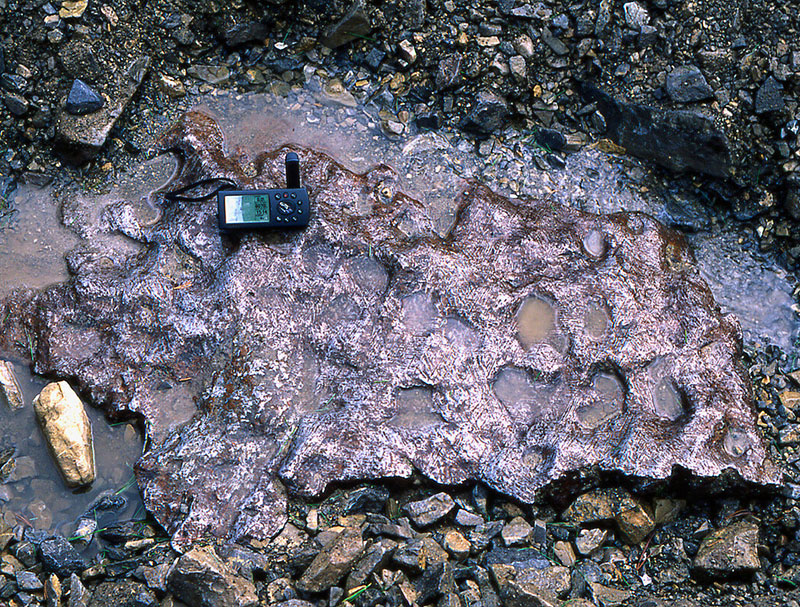
All meteorites are divided into 3 main groups, which differ from each other in the ratio of iron and silicates. The most common are stony meteorites, accounting for 85-90% of all discovered celestial bodies. The rarest are stony-iron meteorites, accounting for approximately 1% of the total. The third group is iron meteorites, composed almost entirely of iron and nickel.
Moreover, space metal can contain from 5 to 25% nickel, while terrestrial iron never contains more than 1%. Based on the crystallization characteristics of the iron-nickel alloy, all iron meteorites are divided into hexahedrites, octahedrites and ataxites.
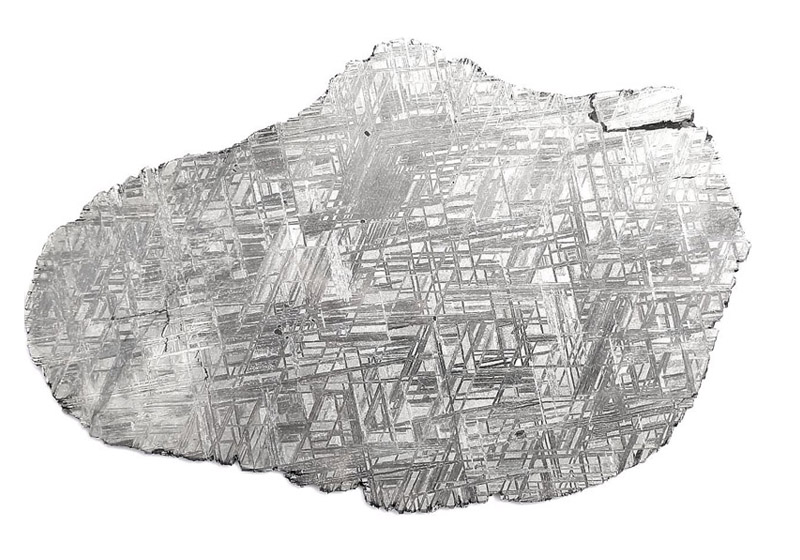
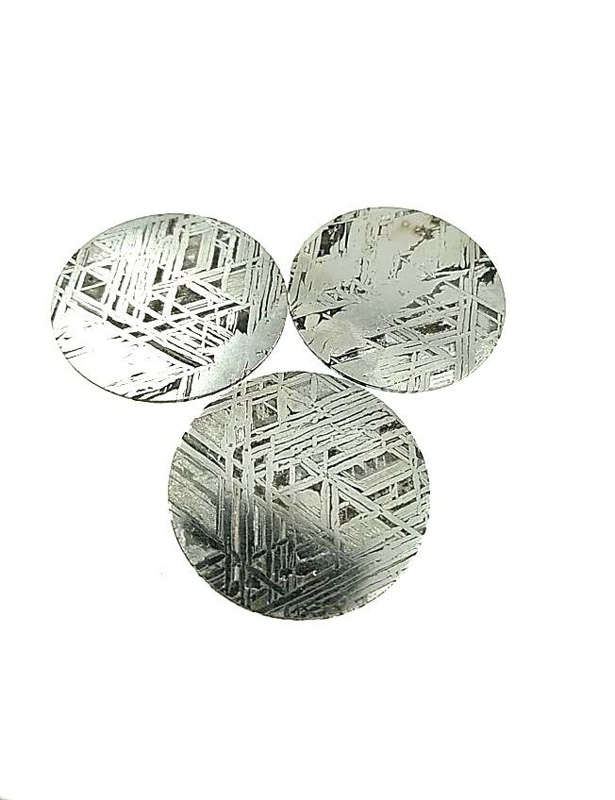
Octahedrites deserve special attention. If such a meteorite is cut, its surface polished and then etched with a dilute nitric-acid solution, a distinctive, remarkably beautiful pattern appears, resembling frost on a winter window — the Widmanstätten figures.
The term was coined by the Austrian scientist Alois von Widmanstätten, who back in 1808, while experimenting with pieces of meteorites, attempted to heat one of them in a burner flame. The photograph shows the "Widmanstätten figures" of the Muonionalusta meteorite.
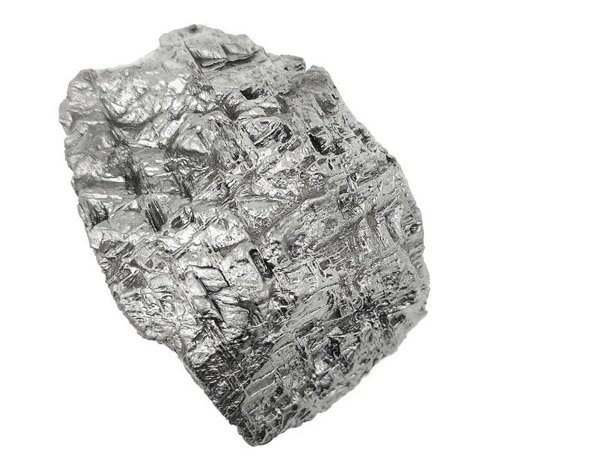
This pattern is formed during the process of metal crystallization in the icy silence of space, over many millions of years of the celestial body’s flight. It consists of interwoven metal strips that behave differently when heated. The nickel-poor iron bands of kamacite become matte as they oxidize.
And strips made of a nickel-rich metal, taenite, are little affected by oxygen and remain shiny. And the higher the nickel content in the meteorite, the finer and more delicate the pattern on the cut. It is not surprising that jewelers and gunsmiths could not pass by this captivating beauty. And now watchmakers have also become interested in the space theme.
The difficulty of working with meteorites is that their heterogeneous structure makes it impossible to process them automatically; any manipulation of them is strictly manual work. To create a meteorite dial, the craftsman first makes several test cuts to determine the most effective pattern. And since it is practically impossible to predict the final result before etching, the specialist requires considerable experience and intuition. The selected cut is carefully sanded and brought to the required dimensions. All technical apertures are then cut into it by hand, with utmost precision.