

Damascus

Damascus steel, from which high-quality blades, daggers, axes and armor were made, has always been worth its weight in gold. It was named after the city that was long considered the birthplace of the material. Although there is no reliable confirmation of this. Moreover, researchers are increasingly making claims about the Indian origin of the famous technology. So, most likely, Damascus simply actively traded Damascus products made by craftsmen from India, Persia and Syria.
Metallurgists of ancient and medieval times so carefully concealed the secret of weapons metal that it was eventually lost altogether. And for a long time it seemed like forever.
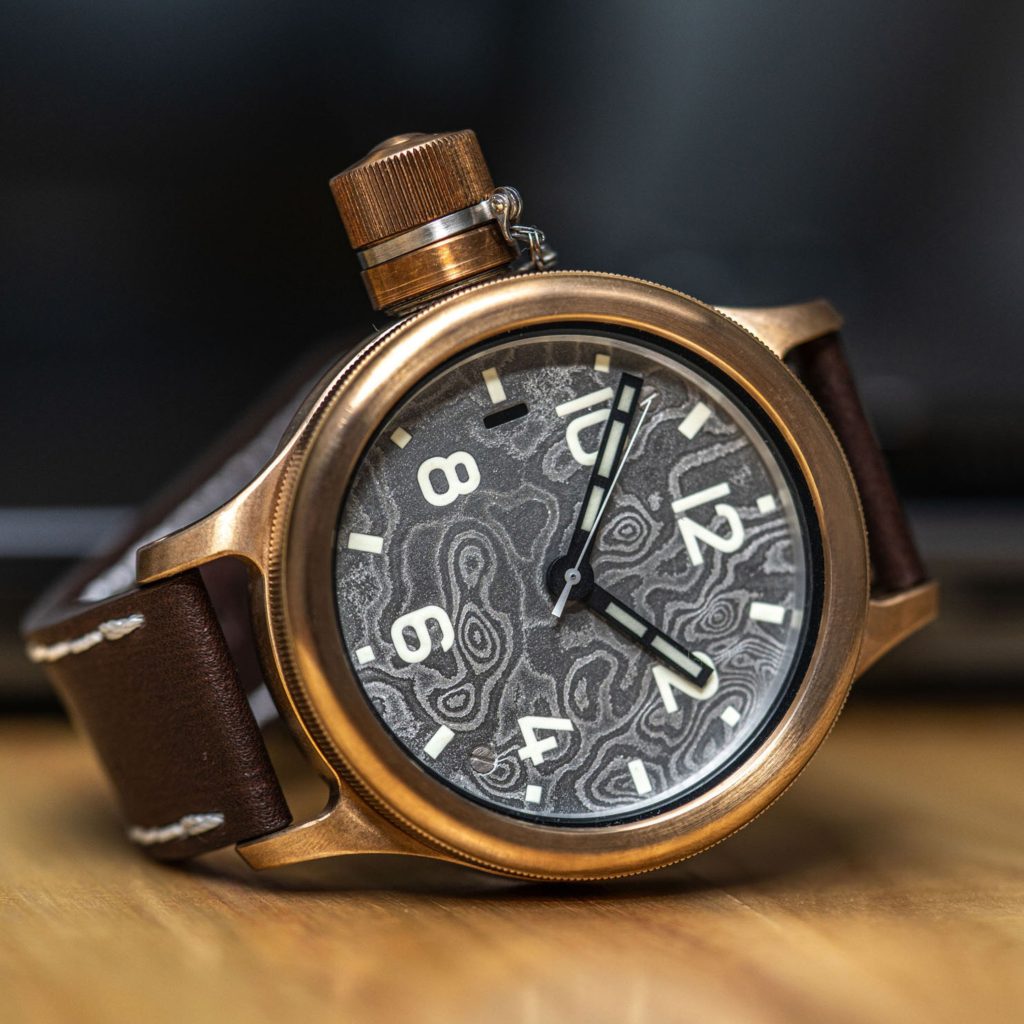
The secret of Damascus steel was revealed in the 19th century. A Russian engineer from Zlatoust, Pavel Anosov, who devoted 20 years of his life to the painstaking study of a mysterious lost technology. And he was able to discover and successfully reproduce steel that was in no way inferior in properties to ancient samples. And another century and a half later, again in Zlatoust, watchmakers at the ZChZ came up with a way to use this amazing metal for more than just bladed weapons. The Zlatoust Watch Factory produces dials and cases for wristwatches from Damascus steel.
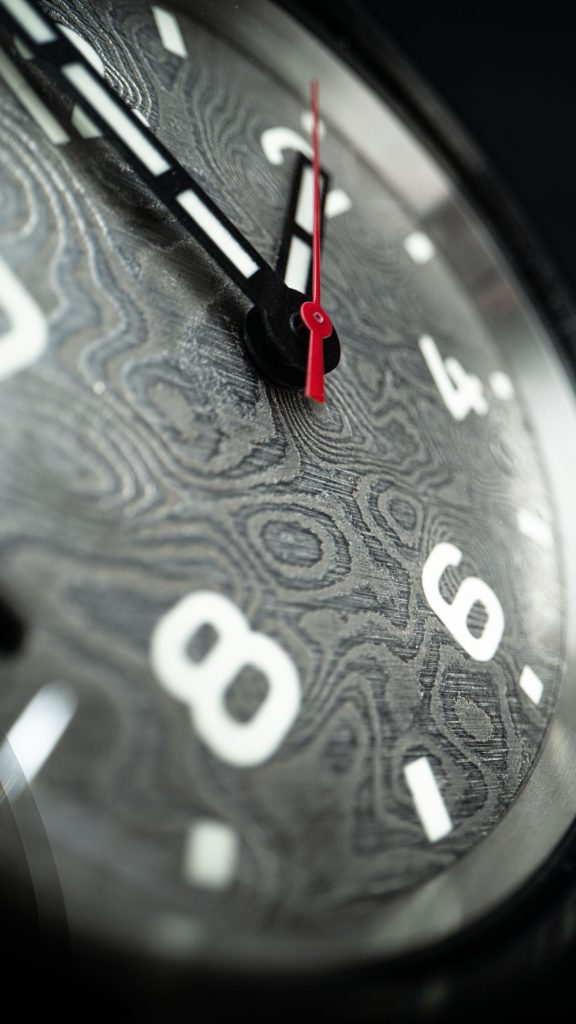
To obtain the material for the future watch case, the blacksmith takes several blanks of steel with different carbon content, welds them together, forges them, rolls them, forges them again, and so on many, many times.
The result is a unique layered pie of alternating strips of steel. Traditionally, the idea of joining different types of steel arose because each of them has its own characteristics. Steel with a high carbon content, or high-carbon steel, is hard and sharpens easily, but also breaks easily. Low-carbon steel, on the contrary, is plastic, soft and ductile.
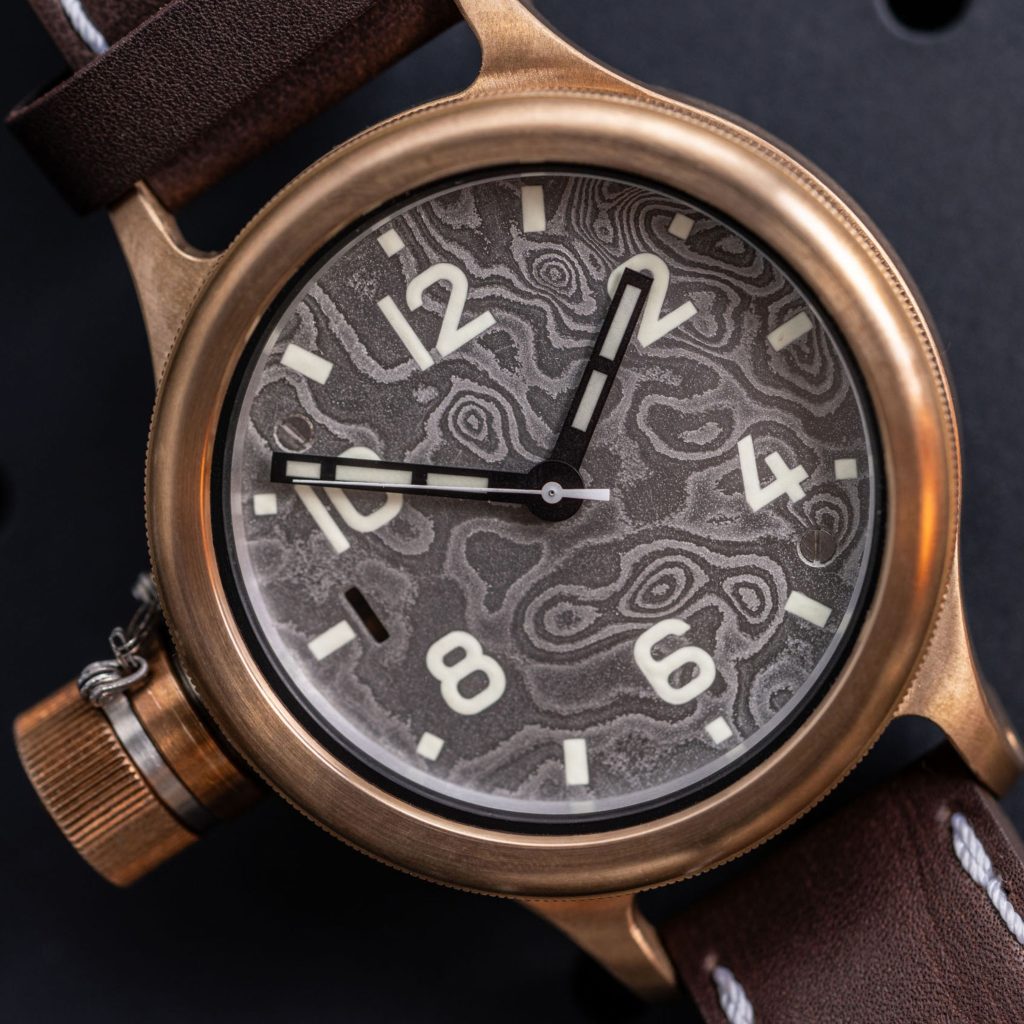
However, not all types of steel are capable of joining together, and each of them requires its own melting temperature. Moreover, polishing a finished watch case made of Damascus steel is very difficult. When heated, scale forms on the surface of the metal. If it remains on the workpiece, it is fraught with cavities - defects.
And one more interesting detail: Damascus steel is susceptible to rust. Moreover, it rusts much faster than ordinary iron. Naturally, such an effect is absolutely unacceptable for a watch. That's why Zlatoust watches are made not from simple Damascus, but from stainless steel!